

International recognition for the 1769 Seed Archive
Great to see Waikereru and the 1769 Seed Archive featuring in this article in the Smithsonian journal - recognition from that famous US scientific museum.
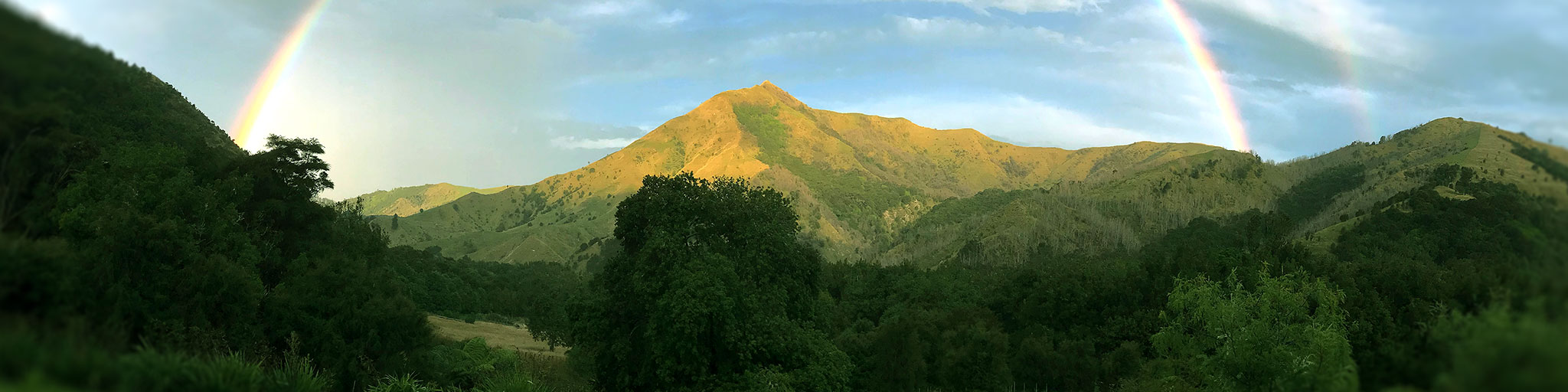
Welcome to Waikereru - an Ark in the Bush. Waikereru is a haven for rare and endangered species of indigenous birds, plants and animals. It is reached by a winding gravel road up an inland valley, just 9 kilometres from Gisborne city on the Tai Rawhiti / East Coast of New Zealand.
From high hill ridges to the west, three streams tumble down steep valleys and across a plain, entering the Waimatā River to the east. A rare surviving strip of lowland bush (Longbush Reserve) runs beside the Waimatā River. The bush is alive with the sound of birds, including tui, bellbirds, fantails, kingfishers, tomtits, whiteheads and many kereru or native pigeons.
Waikereru is a hub for ecological innovation. Its visionary projects include:
It also helped to inspire:
Waikereru is on private land owned by Dame Anne and Jeremy Salmond.
Longbush Reserve (on the right side of Riverside Road) is open to the public for bushwalks only. No events or gatherings please. Access opposite 910 Riverside Road. As visitors to Longbush Reserve, please note you’re responsible for your own health and safety. Stay on the tracks, be careful around electric fences, traps and streams, and take care of our precious bush.
Waikereru Ecosanctuary (including the Welcome Shelter and 1769 Seed Archive) is home to the Wildlab Tiaki Taiao for local school children. It can be visited by the public on open days only, or by private arrangement.
The Waikereru Hills are actively managed with trapping and shooting, and are not open to the public.
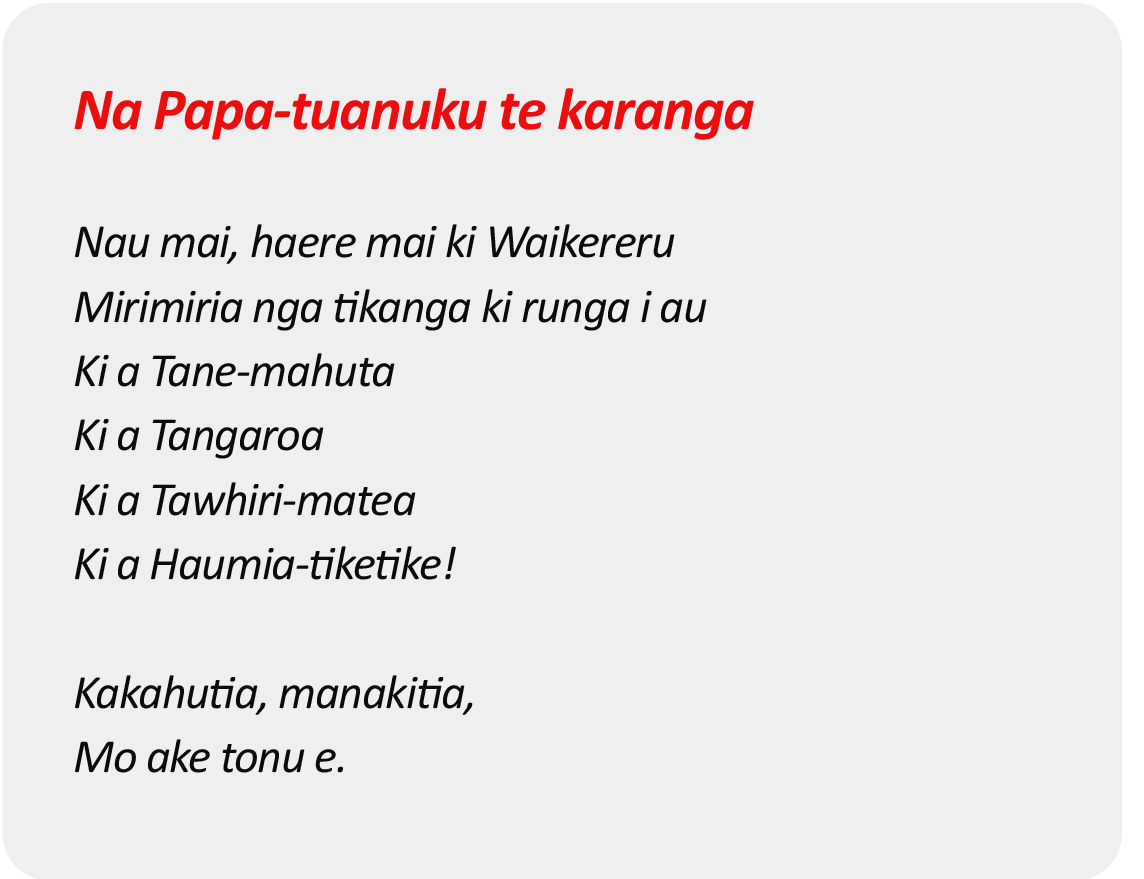
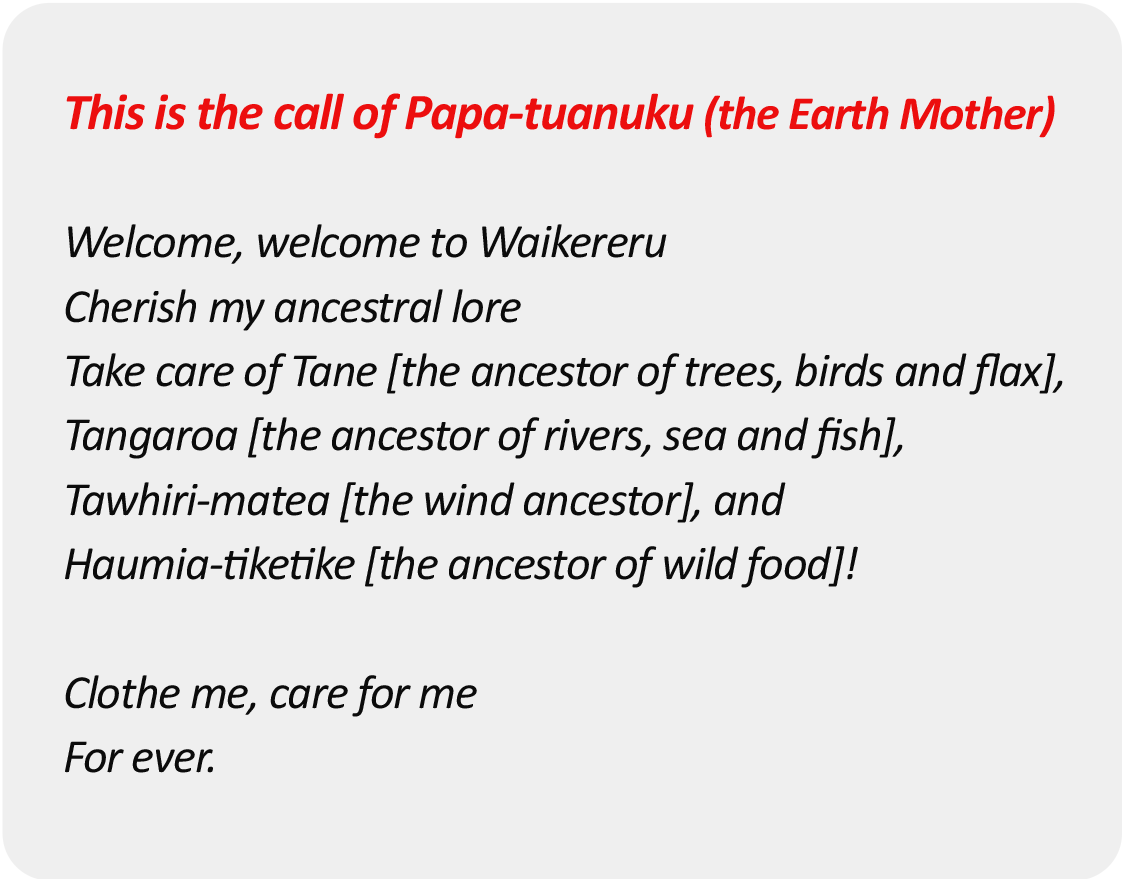
Here’s a chant for Waikereru, composed by Merimeri Penfold:
Great to see Waikereru and the 1769 Seed Archive featuring in this article in the Smithsonian journal - recognition from that famous US scientific museum.
Motukeo at night - spectacular!
Thanks so much to the Stout Trust, the Eastern and Central Community Trust and the Gisborne District Council for jointly funding our new wetland, pā harakeke...
It was such a pleasure to host two staff members from Kew Gardens at Waikereru last week. They loved the 1769 Seed Archive, and our restoration work in the ...
The Bioeconomy team (formerly Manaaki Whenua) who set up growth plots to measure the carbon in our dated plantings at Waikereru have sent us their findings.
In Scotland, we had dinner in Kilmarten with Gordon Gray Stephens, Saving Scotland’s Rainforest advisor, and discussed the research they’re doing into their ...
Over the past two years, we’ve been working with PAC Studio and Sarosh Mulla, the architect who designed our award-winning Welcome Shelter, on an innovative ...
Fabulous visit to a temperate rainforest restoration project on the island of Mull in west Scotland. This Holly tree dates back to 1730 in an ancient oak and...
Spring is sprung at Waikereru, with the puawānanga in full bloom in the 1769 Seed Archive, and biocontrol beetles on some Scotch thistles in Longbush Reserve...
Our Chair Dame Anne has enjoyed working with a fantastic team of Tairāwhiti locals on a transition of land use from pine plantations to indigenous forests on...
Think like a Forest, a beautiful documentary about our Recloaking Papatūānuku native afforestation project, was launched at the Beehive a week ago.
Great to see the younger generation taking over at Waikereru, with Isla Salmond and friends handling much of this year’s plantings for Trees that Count.
Waikereru was a hub of scientific activity last week, with visits by Janet Wilmhurst, palaeoecologist from Manaaki Whenua, who managed to get a fantastic 7m...
Today the Tairāwhiti harakeke varieties from the Orchiston pā harakeke at Waikereru have been shifted from their 20 year old site along the foothills, where ...
A very unusual image of Waikereru, showing that the bush on the hills (back of photo) is now very dense. Pasture to closed canopy from pasture in about 13 ye...
The new wetland is shaping up brilliantly. We didn’t expect the earth bunds to hold water, but as the sediment has washed into them, they’ve become solid an...
Another cause for celebration - the lower pond in the new wetland works, with no lining. The upper pond will need a lining, however.
Brilliant news - the Lotteries Commission have supported our pioneering seed island project for another 3 years. It takes roughly 10 years for many indigeno...
Thanks to the generous support of the Stout Trust and the Eastern and Central Trust, we’re establishing a new wetland by the 1769 Seed Archive for Tairāwhiti...
This morning Malcolm, the 1769 Seed Archive Curator had the pleasure of showing the students from the Certificate of Rongoā at Te Wānanga o Aotearoa around t...
Waikereru is featuring in another new book, this time Case Studies: A Story of Plant Travel, a glorious study of the role of Wardian cases in shifting plants...
A stream of interesting experts have visited Waikereru lately, attracted by the 1769 Seed Archive and our seed islands project.
Guido Haag and Nicola Carter from Ecoworks are doing a brilliant job of pest and weed control at Waikereru.
It was a pleasure to host Claire Concannon from RNZ’s programme ‘Our Changing World’ at Waikereru, where we talked about our ‘seed island’ trial with Tane’s ...


